Photo courtesy of 4DMedical
Over $100M raised for 4DMedical's US expansion
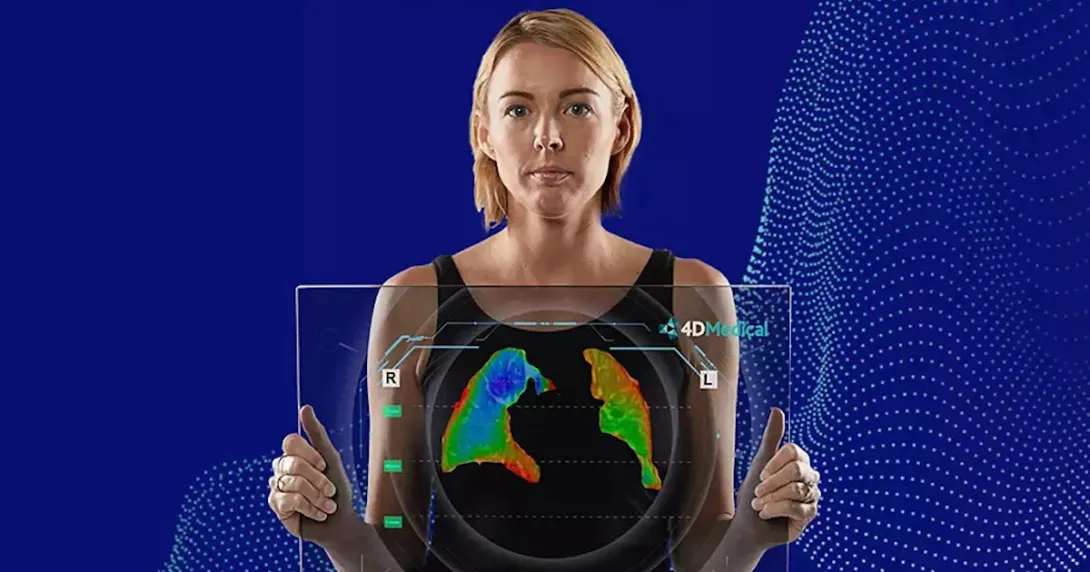
ASX-listed 4DMedical has secured A$150 million (over $100 million) in institutional placement funding to accelerate the deployment of its CT-based lung imaging software across the United States and expand R&D.
The SaaS-based CT:VQ platform generates ventilation and perfusion insights from standard CT scans and is designed to integrate into hospital imaging workflows.
It received 510(k) clearance from the US Food and Drug Administration (FDA) in September, with early deployments across major American academic medical centres, including Stanford, Cleveland Clinic, University of Miami, and UC San Diego Health.
Omniscient bags $14M to scale brain AI
Health tech firm Omniscient Neurotechnology has received a A$20 million ($14 million) investment from the National Reconstruction Fund Corporation of the Australian government to commercialise its AI-driven brain mapping platform and expand its deployment globally.
The US FDA-cleared Quicktome platform uses AI to generate patient-specific brain connectivity maps from MRI scans, helping neurosurgeons to plan treatments using functional brain data.
Based on a media release, the funding will support platform commercialisation, data science hiring, and new clinical application development, as the company advances plans to establish a centre of excellence in Connectomics – a field of neuroscience focused on brain neural connections called connectome – in Sydney and expand its US footprint.
EQL rolls out MSD platform in Australia
Sydney Catholic Schools has started introducing a digital musculoskeletal disorder (MSD) platform from the United Kingdom to more than 12,000 teachers across 147 schools.
Called Phio, the platform provides school staff with access to MSD triage, treatment, and prevention, using AI-supported assessments and clinician-led care pathways that cover self-management physiotherapy, GP referral, ergonomics support, and in-person treatment where required.
"It's another milestone in EQL's growing footprint across Australia," said the startup's CEO, Jason Ward. The company has partnered with "forward-thinking organisations that share our vision for proactive, digital-first staff wellbeing."