Photo: Westend61/Mareen Fischinger/Getty Images
New research in Queensland is designing a programme based on virtual reality technology to help people living with spinal cord injury manage falls.
The University of Queensland will lead the project, with funding from the National Injury Insurance Scheme, Queensland (NIISQ), aiming to "improve recovery, independence, and long-term outcomes for people seriously injured in catastrophic incidents like motor vehicle accidents," according to a statement from Ros Bates, Queensland Minister for Finance, Trade, Employment, and Training.
WHY IT MATTERS
In an interview with Mobihealth News, Dr Kathryn Marshall of UQ said the project builds on seven-year research into spinal cord injury and falls.
"We learnt that people with spinal cord injury have mixed expectations of whether they will fall, which is shaped by their own sense of control. This makes it challenging to provide impactful falls education, as often, people may not think it will happen to them," the project's lead researcher said.
"We also learnt that people find that having a fall or hearing from others who have fallen can be a very effective way of learning. However – obviously – because of the potentially serious and lasting consequences of falls, we don't want people falling if it can be avoided."
VR, she said, could provide a "relatively safe way to engage with falls and learn from them."
"[W]e think this might be the first time [VR] is being used to learn about falls with people with spinal cord injury," Dr Marshall noted.
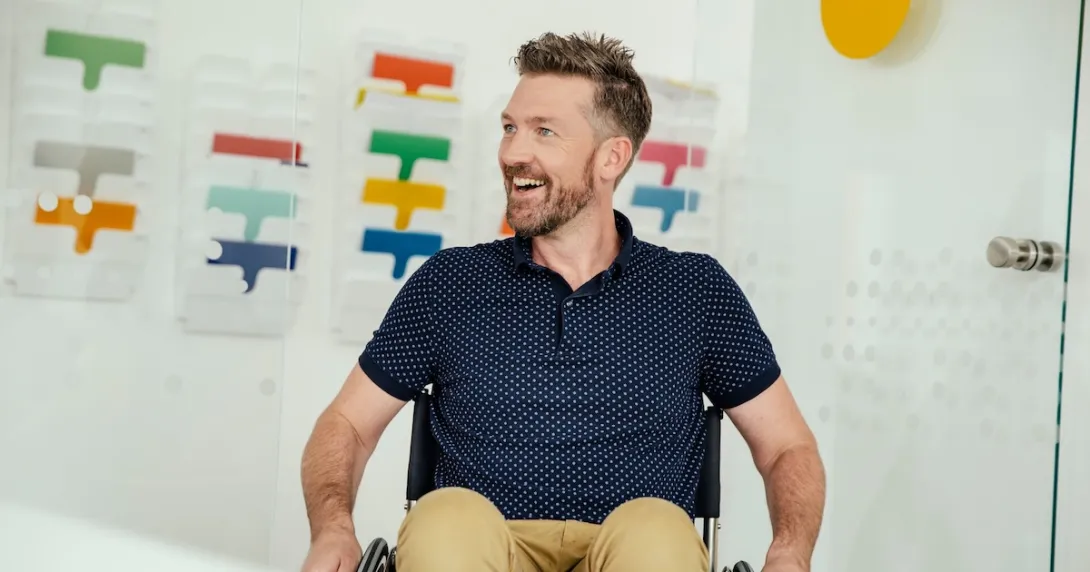
Their research aims to learn whether VR could be used as part of practical education and see if it can help build skills and confidence in managing falls among wheelchair users.
The project, now in development, is inviting people to be part of the co-design workshops, including clinicians and people with spinal cord injury.
Clinical trials will be conducted later by Metro South Health, while a pilot is planned for mid-2027 in the inpatient spinal rehabilitation service at Princess Alexandra Hospital.
THE LARGER TREND
A recent study in Australia has found potential in VR technology to uplift the daily lives of older Australians, including those with mild cognitive impairment. Done by Deakin University researchers, it noted the impacts of VR experiences on the daily lives of aged care residents.
Meanwhile, the Australian Department of Health and Aged Care is also looking to try out VR as part of projects outlined in its action plan to fulfil a five-year strategy to deliver aged care reforms.