Photo courtesy of Neurophet
Neurophet wins 510(k) for Alzheimer's software
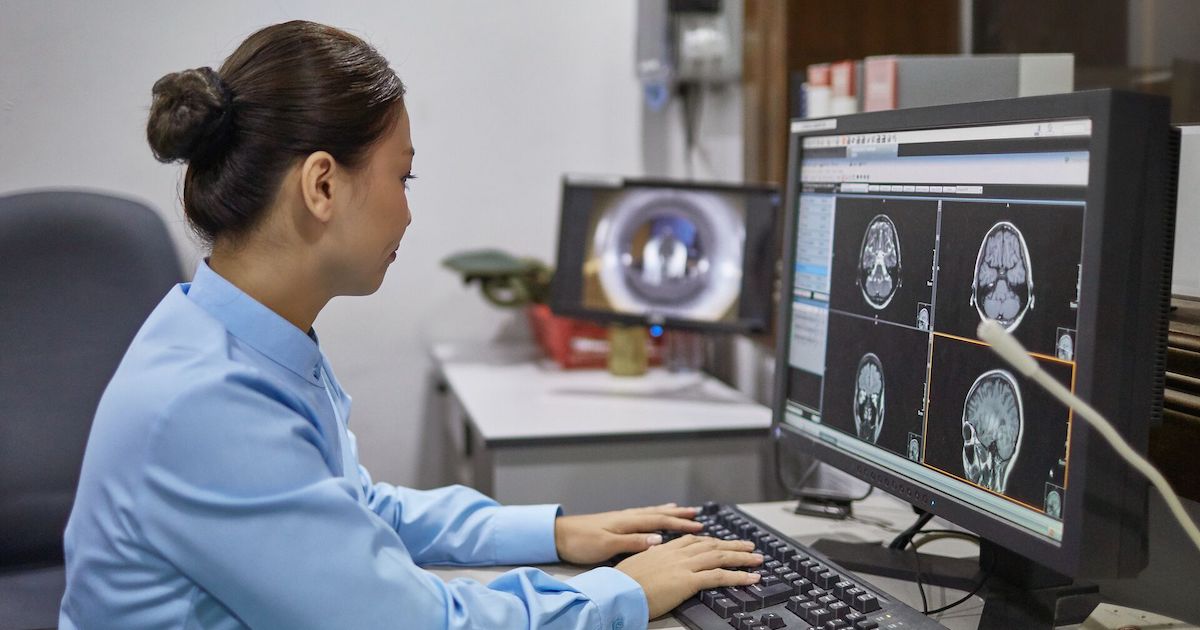
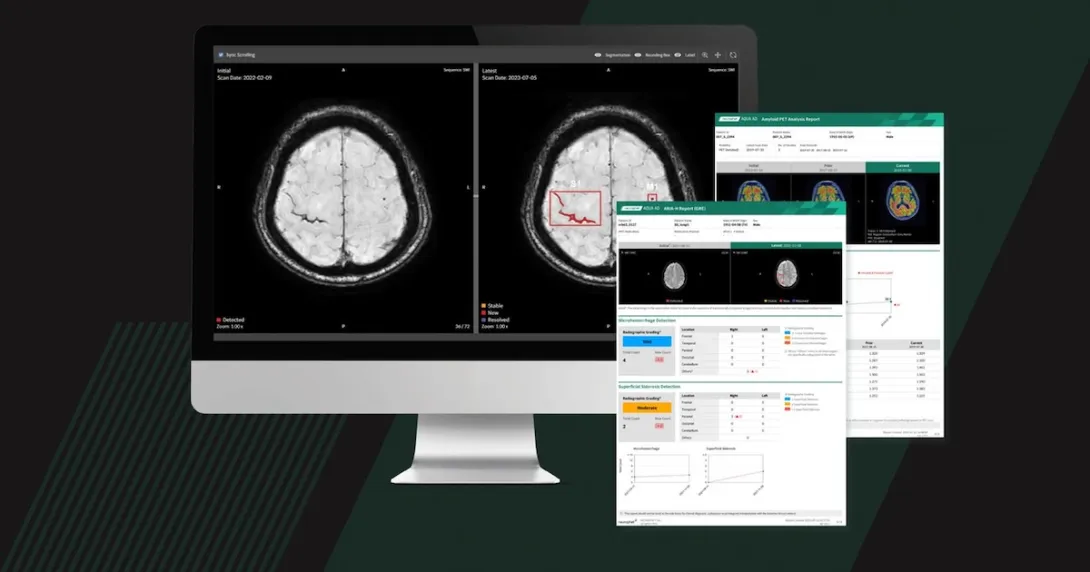
South Korean brain imaging AI company Neurophet has received the United States Food and Drug Administration's 510(k) clearance for its AI-based brain imaging analysis software that supports treatment planning for Alzheimer's disease.
Neurophet AQUA AD Plus quantitatively analyses MRI and PET scans to inform therapy eligibility, monitor treatment-related effects, and assess outcomes, including automated detection of microhaemorrhages, superficial siderosis, and oedema linked to anti-amyloid therapies.
The clearance marks Neurophet's third US FDA approval, following approvals for its T2-FLAIR image analysis capability and the SCALE PET quantitative analysis software. In October, the company set up a subsidiary in Delaware to hasten its expansion into the US market.
Ubie partners with Mayo Clinic on unified digital front door
Ubie from Japan has partnered with Mayo Clinic to jointly develop a unified digital front door platform, Ubie Smart Support, aimed at streamlining how patients navigate, access, and engage with health systems and payers.
According to a press release, the digital platform integrates chat and voice interfaces into a single access point with clinically validated symptom assessment, triage, and scheduling, alongside plans to add a chronic disease management module to support care plan tracking, personalised guidance, and escalation to care teams.
The collaboration builds on Ubie's 30-week pilot under Mayo Clinic's Platform Accelerate programme.
Otsuka secures BP ring distribution
Tokyo-based Otsuka Pharmaceutical has secured exclusive commercialisation rights to distribute the ring-type automated blood pressure monitor, CART BP pro, by South Korean company Sky Labs in Japan.
The cuffless BP monitor uses photoplethysmography optical sensing to enable continuous and nocturnal blood pressure monitoring during daily activities, supporting 24-hour ambulatory measurement and clinically validated data capture for hypertension management.
Sky Labs' BP ring is now used across 1,700 hospitals and clinics, with further global expansion underway following the European Union certification of its CART PLATFORM in January.
Sancy to integrate synthetic data intel
Malaysian health IT services provider Sancy Berhad has partnered with AxxonAI, a subsidiary of Athenatech AI, to integrate synthetic data intelligence capabilities across its digital healthcare ecosystem.
The integration, said Athenatech AI, will use large language model-driven (LLM) synthetic data generation to produce privacy-compliant patient datasets that support clinical insights, operational planning, and healthcare tourism initiatives, including the Connected Care platform and Ring patient care model.
AxxonAI's platform, touted as Malaysia's first synthetic data intelligence solution, is designed to address regional data scarcity and privacy constraints.