Technology

Next year, AI will move beyond administrative support to become a workflow-integrated tool that drives predictive and proactive care and sees true adoption, according to healthcare leaders.

Also, University of Queensland research has found ultrasound to be a safe approach to possibly treat symptoms of Alzheimer's disease in a world's first in-human trial.

Next year will mark a turning point for AI in healthcare as the industry shifts from pilots and hype to accountable, integrated systems that prove to have measurable impact, according to execs.
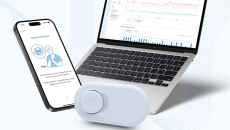
AeviceMD says it has yet to conduct pilot deployments, which would focus on incorporating respiratory monitoring into outpatient asthma management pathways.

Ash will provide at-home biomarker testing to Noom users to provide insights into key health markers linked to chronic disease risk and aging.
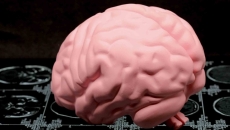
The federal grants will support CranioSense’s development and validation of its non-invasive intracranial pressure monitoring device.

The company also raised $5 million in venture debt funding.
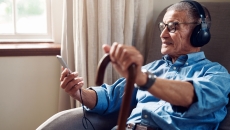
Tampa General Hospital Cancer Institute will integrate Reimagine's platform into its clinical pathways to reduce workforce burden and extend cancer care into the home.

Executives pointed to faster-than-expected AI adoption in healthcare, shifting regulatory signals and growing demand for AI tools that deliver measurable outcomes.

uMed’s registry platform will work alongside WellSky’s network of home-based care organizations to let patients participate in national clinical trials from home.